

VA Appraisal Requirements in Clarksville, TN: What Fort Campbell Buyers Need to Know
VA Appraisal Clarksville, TN: What Should Buyers Expect?
A VA appraisal in Clarksville, TN, has two main purposes. It establishes the property's reasonable market value so the lender knows the home supports the loan, and it evaluates whether the property meets VA Minimum Property Requirements. Those are two separate questions, and both matter for your VA loan approval. Just as important, a VA appraisal is not the same thing as a home inspection, and treating the two as interchangeable is one of the most common misunderstandings among Fort Campbell buyers.
Clarksville sits next to Fort Campbell in Montgomery County, and it draws a steady stream of active-duty service members, PCS buyers, veterans, and military families using VA loan benefits. Local housing stock includes a mix of newer construction and established neighborhoods with decades-old homes. That mix is exactly why understanding the appraisal process before you write an offer can save you weeks, money, and frustration. This guide explains what the appraiser does, what the appraiser does not do, and how to plan around the outcomes that catch buyers off guard.
What Is a VA Appraisal?
A VA appraisal is an independent valuation and condition review your lender orders after you and the seller agree on a purchase contract. The VA assigns the appraisal to a qualified fee appraiser, who determines the property's reasonable, or market, value for VA home loan guaranty purposes. The appraiser submits the appraisal report, and the lender or VA then issues the Notice of Value, which establishes the VA-recognized reasonable value and any conditions that must be satisfied.
The appraisal exists because the VA guarantees part of the loan, not the whole thing, and the lender carries risk on the rest. The appraisal helps establish whether market data support the contract price, but it doesn't guarantee you are getting a good deal or that the property is free of defects. It is an opinion of value, not a promise that the home is defect-free.
VA appraisal versus home inspection at a glance
Feature | VA Appraisal | Home Inspection |
|---|---|---|
Ordered by | The lender, after the contract is signed | The buyer, usually during the inspection window |
Performed by | A VA fee appraiser assigned through the VA appraisal system | A licensed home inspector the buyer selects |
Main purpose | Establish reasonable value and check Minimum Property Requirements | Document the home's condition in depth |
Typical focus | Value, safety, soundness, sanitation | Roof, structure, electrical, plumbing, HVAC, drainage, and more |
Output | A Notice of Value, sometimes subject to required repairs | A detailed report for the buyer, with no repair authority |
Required for a VA loan | Yes | No, though it is strongly recommended |
Protects | The lender and the VA guaranty | The buyer's understanding of the home's condition |
What Does a VA Appraiser Look For in Clarksville, TN?
A VA appraiser looks at two things during a single visit: whether the market supports the price, and whether the home appears safe, sound, and sanitary. The appraiser is not a code inspector, contractor, or home inspector. The visit is not an exhaustive technical evaluation, and the appraiser will not open walls, test every outlet, or diagnose a furnace.
Market value and comparable sales
The valuation side works much like any other appraisal. The appraiser reviews recent sales of similar homes in the same area, adjusts for differences in size, age, condition, lot, and features, and arrives at an opinion of reasonable value. In Clarksville, that means the appraiser is weighing neighborhoods near Fort Campbell, established areas in Montgomery County, and newer subdivisions against each other. A home with unusual features, a large addition, or very few recent comparable sales can take longer and may produce a wider range of opinions.
Condition observations
Whether major systems appear functional and safe, including heating, cooling, plumbing, and electrical
Whether the roof appears to be in serviceable condition and free of active leaks
Whether the structure shows signs of significant settling, damage, or deterioration
Whether there are obvious safety hazards, such as exposed wiring, unsafe steps, or missing handrails
Whether there is evidence of wood-destroying insects or pest activity
Whether there is peeling paint, particularly on older homes
Whether access, drainage, and site conditions present problems
Whether utilities are on and functioning at the time of the appointment
Appraisers also photograph the property and note anything that could affect value or the VA's willingness to guarantee the loan. If something looks questionable, the appraiser's job is to flag it, not to fix it or price it out precisely.
What Are VA Minimum Property Requirements?
VA Minimum Property Requirements, usually called MPRs, are baseline standards that a property must appear to meet for the VA to guarantee the loan. They are not a building code or a warranty. MPRs focus on whether the home is safe to occupy, structurally sound enough to be livable, and sanitary, and whether it is likely to remain in that condition for the foreseeable future.
In practical terms, MPRs touch on things like safe access to the home, a roof that keeps water out, a sound structure, working utilities, safe electrical and plumbing systems, adequate heating, no serious pest infestation, and safe site conditions. Local building codes in Tennessee and the city of Clarksville are separate standards with separate enforcement, and a home can pass a code inspection while still having an MPR item flagged, or vice versa.
One thing buyers should understand clearly: MPRs are about condition and safety, not style. Worn carpet, dated cabinets, old countertops, and faded paint in good condition are generally not MPR problems. A loose roof flashing that lets water in is.
Can a Home Fail a VA Appraisal?
A home doesn't technically pass or fail a VA appraisal, and the word "fail" oversimplifies what happens. What actually occurs is that the appraiser issues a value and, if needed, lists conditions or required repairs that must be addressed before the loan can close. The property is either acceptable as is, acceptable subject to repairs, or the value comes in below the contract price, or some combination of those outcomes.
This distinction matters because it changes your options. A required repair is usually solvable when the seller is willing to complete it, and there is time in the contract. A low value is a negotiation and financing problem. Neither one automatically ends the transaction, but both require action before closing.
Photo by George Pak on Pexels
What Repairs Can a VA Appraiser Require?
A VA appraiser can require repairs related to safety, soundness, sanitation, or the property's durability. The appraiser is not authorized to require cosmetic improvements, and repairs generally must be tied to something that affects the home's acceptability for VA financing.
An active roof leak, missing shingles, or a roof at the end of its serviceable life
Cracked or peeling paint on exterior or interior surfaces, especially on homes built before 1978 because of lead-based paint concerns
Exposed or unsafe wiring, missing outlet covers in some cases, or a nonfunctioning electrical system
Plumbing leaks, inoperable fixtures, or a failing water heater
A heating system that does not work or cannot be verified as working
Steps, porches, decks, or handrails that are unsafe or deteriorating
Evidence of active wood-destroying insect infestation or structural damage from it
Standing water, poor drainage, or site conditions that threaten the foundation
Missing fixtures or systems that were removed, such as a removed appliance that leaves exposed connections
The exact list depends on the individual property and the appraiser's judgment. If the utilities are shut off at the time of the appointment, the appraiser often cannot verify that systems work, and that alone can trigger conditions on the report. If you are buying a vacant home in Clarksville, make sure the seller knows the utilities need to be on before the appraisal appointment.
What Happens If the VA Appraisal Comes in Low?
If the VA appraisal comes in below the contract price, the lender generally cannot finance more than the appraised value. That creates a gap between the price you agreed to pay and the amount the loan will support, and you have to resolve it before closing.
Your main options are usually these: ask the seller to reduce the price to the appraised value, negotiate a split, bring additional cash to cover the difference if your lender and the VA rules allow, or use your contract's appraisal contingency to terminate and get your earnest money back. The right answer depends on how badly you want the house, how strong the seller's position is, and how quickly your PCS timeline is moving.
VA guidelines also include a process often called Tidewater, where the appraiser notifies the lender before finalizing the report when the value appears to fall below the contract price. That notification gives the parties a short window to submit additional sales data or information for the appraiser to consider before the Notice of Value is issued. Not every situation triggers it, and the specifics depend on the appraiser and the lender, but it is one reason a preliminary conversation with your loan officer matters.
Can the Buyer Challenge a Low VA Appraisal?
Yes, a buyer can request a Reconsideration of Value, often shortened to ROV. This is a formal request, routed through your lender, asking the appraiser or the VA to review the valuation based on specific data you provide. It is not a complaint, and it is not a request to raise the number.
A strong Reconsideration of Value package includes closed comparable sales the appraiser may not have used, corrections to factual errors in the report (such as incorrect square footage or bedroom count), and documentation of features the appraiser missed or undervalued. Your real estate agent is usually the best person to assemble that data because agents have direct access to the local multiple listing service.
An ROV does not guarantee a change in value. Appraisers can and do stand by their original opinion when the data supports it. Also pay attention to your calendar. An ROV takes time, and if your closing date is tight, you may need to ask the seller for an extension while the review is pending. Talk to your lender about realistic timing before you assume there is room in the schedule.
How Long Does a VA Appraisal Usually Take Near Fort Campbell?
There is no fixed turnaround time for a VA appraisal near Fort Campbell, and anyone who quotes you an exact number of days is guessing. Timing depends on how many appraisers are available in the area, how busy the market is, the property's complexity, and how quickly the seller provides access. Appraisal volume in the Clarksville area can climb during PCS season, when many military families buy and sell at the same time.
Your lender is the right source for current expectations because they place the order and track it. Ask when you go under contract rather than assuming. Confirm two other timing details with your lender. VA appraisals aren't valid forever, so confirm the Notice of Value expiration date if your closing is delayed. Limited circumstances also allow you to transfer an existing VA appraisal to a different lender, and your loan officer can tell you whether your situation qualifies.
Does the VA Appraisal Replace a Home Inspection?
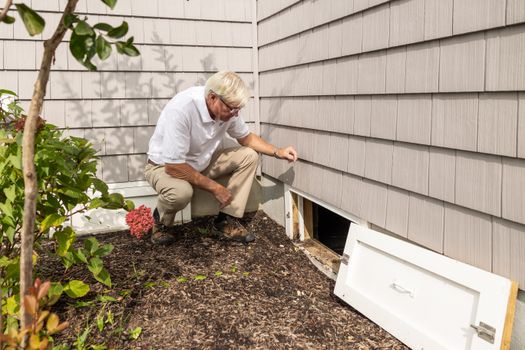
No. A VA appraisal does not replace a home inspection, and relying on the appraisal as your only condition review is a mistake. The appraiser visits for a relatively short time and focuses on value and MPR-level condition issues. A home inspector spends hours examining the home in detail and produces a report covering the roof, foundation, attic, electrical panel, plumbing, HVAC, drainage, and dozens of smaller items the appraiser would never be expected to catch.
The appraisal protects the lender and the VA guaranty. The inspection protects you. Neither one makes the other unnecessary, and many experienced VA buyers order both. If the inspection uncovers problems, you may still be able to negotiate repairs or a credit, and you may also learn about a condition the appraiser will later flag. Knowing early gives you room to respond.
Are Termite or Pest Inspections Required for VA Loans in Tennessee?
Yes. Tennessee is one of the states where VA requires wood-destroying insect information before issuing the Notice of Value. The exact documentation and inspection process can vary by property and current VA requirements, so your lender should confirm what is required for your specific transaction.
If the inspection identifies active infestation or damage, expect additional documentation, treatment, repairs, or clearance before closing. Older homes, vacant properties, and homes showing signs of moisture or wood deterioration may deserve extra attention, especially in the Clarksville and Fort Campbell area.
Can Older Homes in Clarksville Qualify for VA Financing?
Yes, older homes in Clarksville can qualify for VA financing because the VA does not disqualify a property based on age alone. What matters is condition. Established neighborhoods in Montgomery County and older parts of Clarksville contain plenty of homes that have financed successfully with VA loans. The same homes also produce most of the condition issues that come up during appraisal.
The most common concerns in older housing stock are peeling paint on homes built before 1978, roofs that are near or past the end of their serviceable life, outdated electrical systems, aging plumbing, and heating or cooling equipment that no longer works. Cosmetic updates such as old kitchen cabinets, dated flooring, or worn fixtures generally are not an issue. Buyers should also anticipate that a home with significant deferred maintenance may require more negotiation, more time, and possibly seller-funded repairs before closing.
Roofs, Peeling Paint, Utilities, Safety Issues, and Deferred Maintenance
Most VA appraisal problems fall into a handful of predictable categories. Knowing them in advance helps you evaluate a listing before you write an offer, which is far cheaper than discovering the issue after you are under contract.
Roof condition
The roof is one of the most frequently flagged items on any appraisal, VA or otherwise. A roof with active leaks, missing or damaged shingles, or visible deterioration is likely to trigger a required repair. The appraiser makes a visual judgment from the ground and accessible vantage points, not a roof certification. If a seller advertises a roof as recently replaced, ask for documentation, and expect the appraiser to note the roof's apparent condition regardless.
Peeling paint and lead-based paint
Peeling paint on homes built before 1978 draws particular attention because of lead-based paint concerns. The appraiser may require scraping, priming, and repainting of deteriorated paint on surfaces that could create a hazard. This applies to exterior and interior surfaces, and the repair must be completed and verified, not simply promised.
Utilities and mechanical systems
Utilities must be on and functioning for the appraiser to verify them. A home with the power, water, or gas shut off often ends up with conditions on the report because the appraiser can't confirm the systems work. This is common with vacant homes and estate properties. If you are under contract on an empty house, confirm with your agent that the seller will have everything turned on before the appointment.
Safety hazards
You can flag items such as exposed wiring, missing or damaged stair rails, unsafe decks, broken steps, and trip or fall hazards. These are usually straightforward fixes, but they take time and coordination, and you must document them as complete.
Deferred maintenance
Deferred maintenance is the accumulation of small problems that a homeowner put off. A single worn item rarely stops a loan. A pattern of neglect, such as a roof that is failing along with non-working HVAC and evidence of pest activity, can create a long repair list and a difficult negotiation. This is one reason a VA buyer should look closely at a listing's photos, ask direct questions about the age of the roof and systems, and never skip the inspection.

What Happens If Repairs Are Needed Before Closing?
If the VA appraisal requires repairs, the process is usually straightforward when the seller cooperates. The seller completes the work, the appraiser returns or reviews documentation to confirm the repairs, and the lender receives evidence that the conditions on the Notice of Value have been cleared. Only then can the file move toward clear to close.
A few practical points matter here. Repairs generally have to be completed and verified before closing, not after, because the VA will not guarantee a loan on a property that does not meet MPRs. A re-inspection by the appraiser is commonly required to confirm completion, and it adds time to the schedule. The contract can make the cost split between buyer and seller negotiable, but the requirement itself is not negotiable with the appraiser. If a seller refuses to complete required repairs, your options are typically to renegotiate, ask whether an alternative acceptable remedy exists under current guidance, or exercise your contract remedies and walk away. Whether any form of escrow or holdback is available for specific items varies by lender and by the item itself, so ask your loan officer rather than assuming.
How the Pieces Fit Together
VA transactions involve several terms that sound similar and mean different things. Keeping them straight helps you interpret what your lender is asking for and why.
Term | What it means |
|---|---|
Appraised value | The appraiser's opinion of the property's reasonable market value, which caps the loan amount the lender will support |
Minimum Property Requirements | Baseline safety, soundness, and sanitation standards the property must appear to meet for VA guaranty purposes |
Home inspection | A buyer-ordered, detailed condition review that is separate from the appraisal and is not required by the VA |
Repairs | Specific work required to bring the property into acceptable condition, verified before closing. |
Reconsideration of Value | A data-based request, submitted through the lender, to review a valuation the buyer believes is inaccurate. |
Clear to close | The lender's confirmation that all conditions, including appraisal conditions, have been satisfied and closing can proceed |
The Next Step for Clarksville and Fort Campbell Buyers
Understanding VA loan appraisal requirements before you shop is what separates a smooth Fort Campbell closing from a contract that falls apart two weeks before your report date. Before you write an offer on a Clarksville home with condition issues, an aging roof, deferred maintenance, or a price that looks aggressive relative to the neighborhood, talk to a VA-experienced mortgage professional. A loan officer who works with VA loans every day can flag likely appraisal problems in advance, explain how a low value or a repair list would affect your specific financing, and help you structure an offer that protects your earnest money and your timeline. That conversation takes minutes and can save a PCS move.
Frequently Asked Questions
Can a seller refuse VA appraisal repairs?
Yes, a seller can refuse to complete required repairs. The VA cannot force a seller to work on a home they own. If the seller declines, the buyer typically chooses between renegotiating the terms, exploring whether an acceptable alternative remedy applies, or terminating the contract under its own provisions. The loan cannot close until the appraisal conditions are satisfied.
Can I waive a VA appraisal?
No, you cannot waive the VA appraisal on a VA-guaranteed loan. The appraisal is required because the VA guarantees the loan, and the lender needs the Notice of Value to establish the maximum loan amount. Some buyers ask about this after a low appraisal, but they can't skip it.
What happens if the VA appraisal is lower than the purchase price?
The lender generally cannot finance more than the appraised value, leaving a gap between price and loan amount. Buyers typically respond by asking the seller to lower the price, negotiating a split, bringing additional cash if their lender and VA rules allow, requesting a Reconsideration of Value, or terminating under an appraisal contingency.
Do cosmetic issues matter on a VA appraisal?
Usually not. Worn carpet, dated cabinets, old countertops, and faded fixtures generally do not affect VA acceptance because MPRs focus on safety, soundness, and sanitation rather than style. Cosmetic conditions matter only when they also create a safety hazard or affect the property's durability, such as deteriorated paint.
Does a VA appraiser check the roof?
The appraiser visually observes the roof and notes its apparent condition, looking for active leaks, missing or damaged covering, and signs of deterioration. That is different from a roof certification or a detailed inspection. If the roof appears to be at or near the end of its serviceable life, expect conditions on the Notice of Value or a possible impact on value.
Can a fixer-upper qualify for a VA loan?
Sometimes, but it depends on the extent of the work needed. A home needing cosmetic updates can qualify. A home with structural problems, a failing roof, non-working utilities, or safety hazards generally will not qualify until those items are repaired. Buyers looking at fixer-uppers should discuss options with a VA-experienced lender before making an offer.
How long is a VA appraisal valid?
A VA Notice of Value does not remain valid indefinitely. It carries an expiration, and the length of that window can depend on the property type and current VA guidance. If your closing is delayed, ask your lender to confirm whether the appraisal is still valid and whether anything needs to be updated or extended.
Missed the last post? Check out VA Loan Clarksville TN: What Does It Really Cost to Buy? For more on VA home loans.